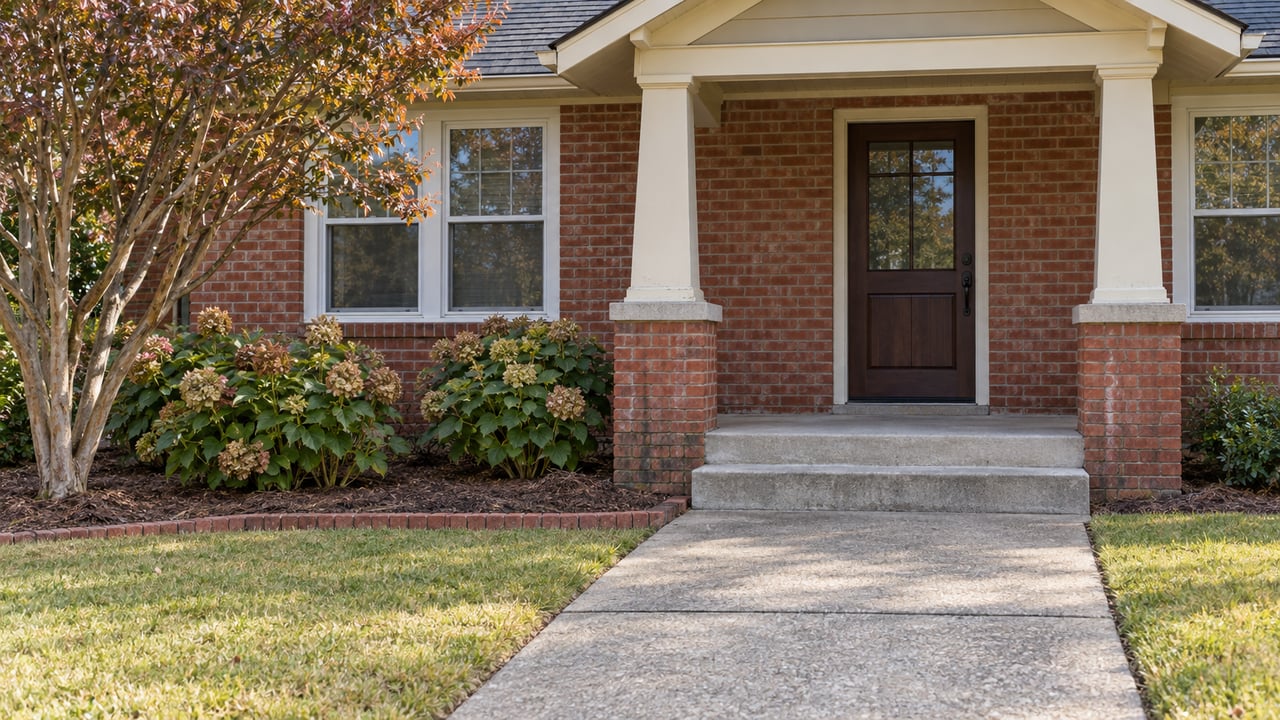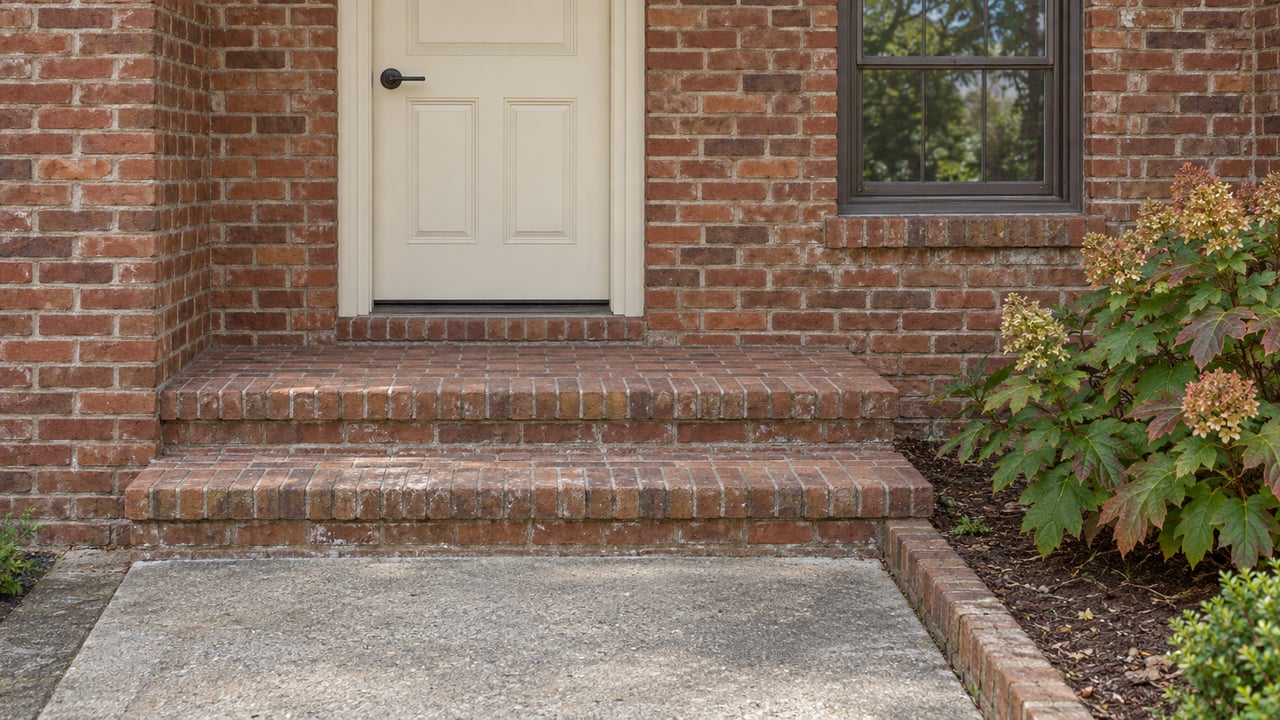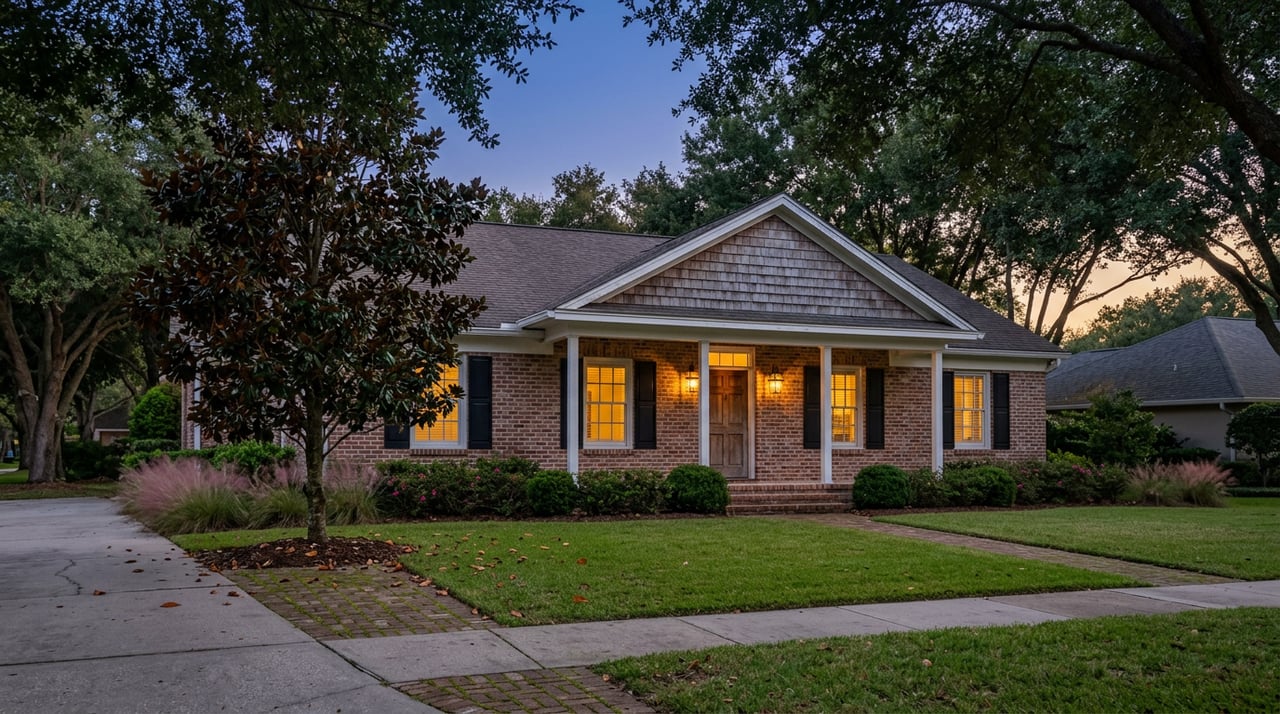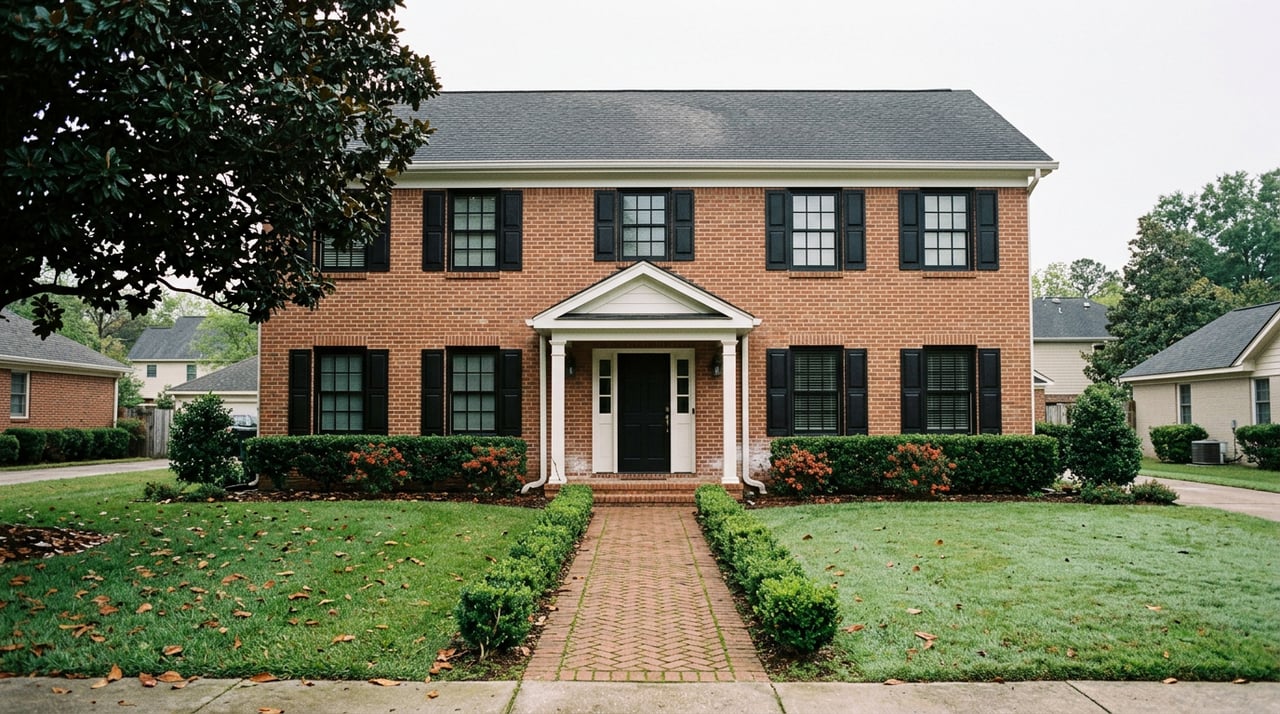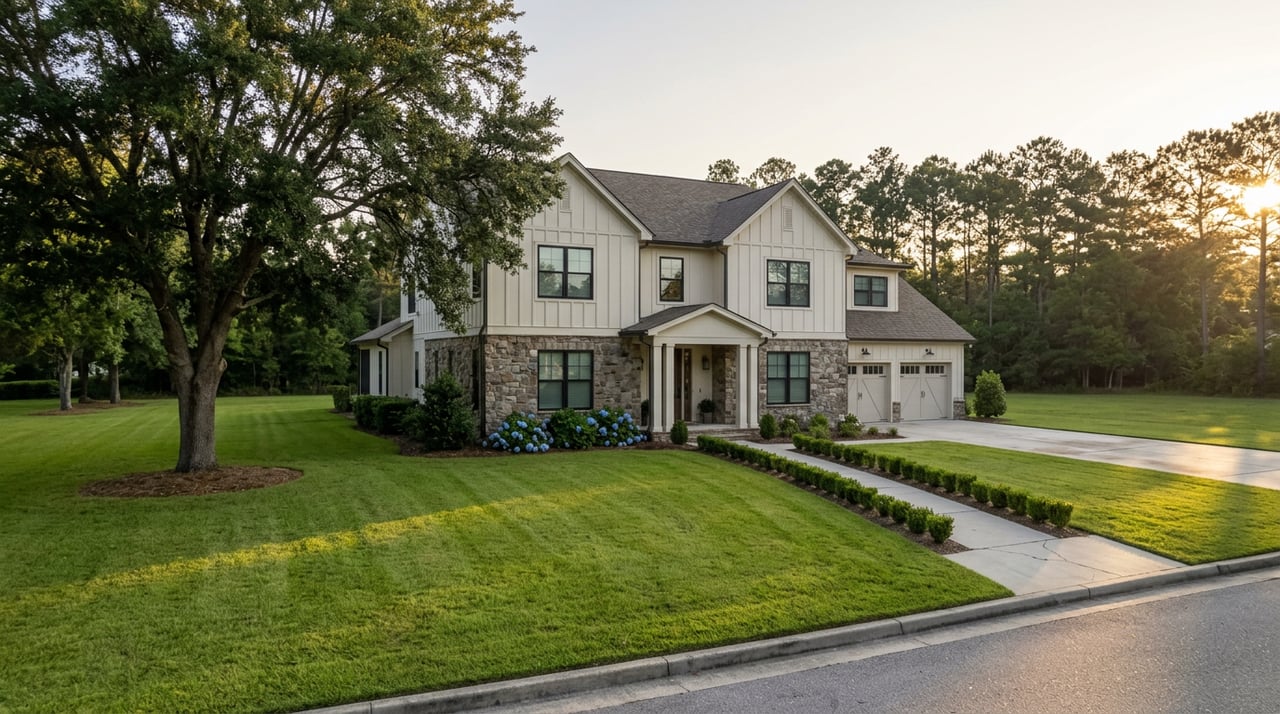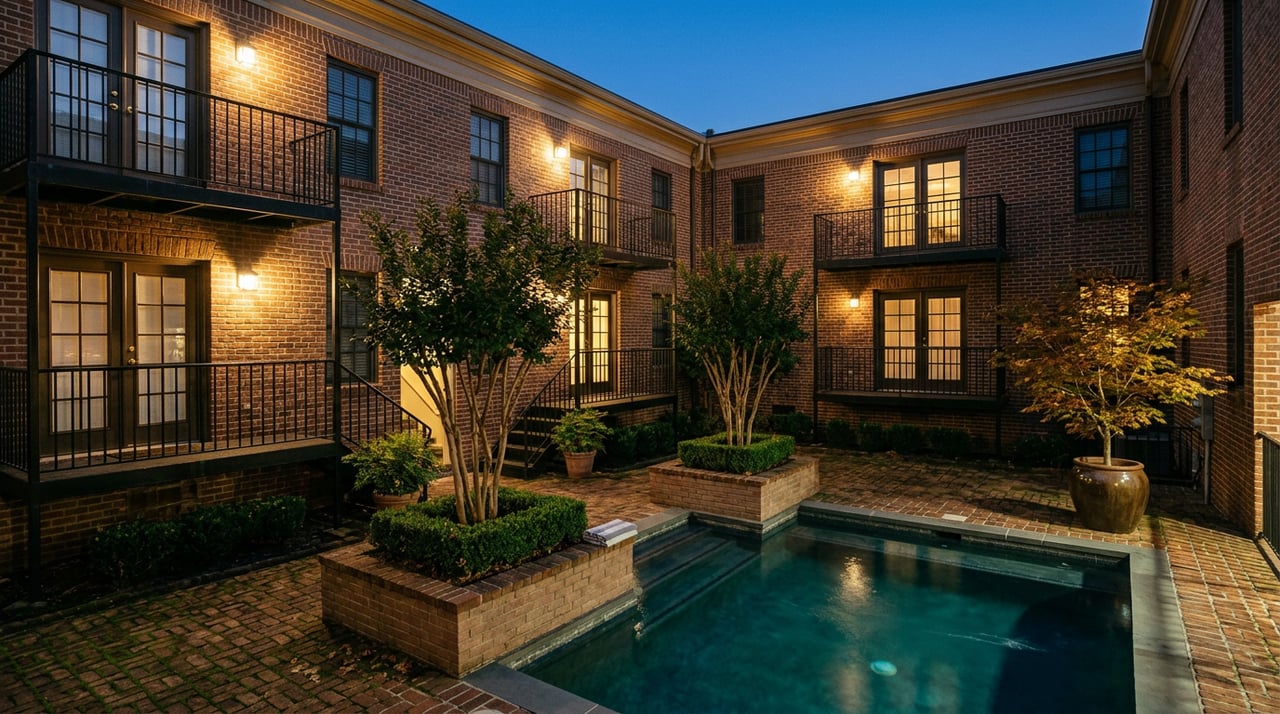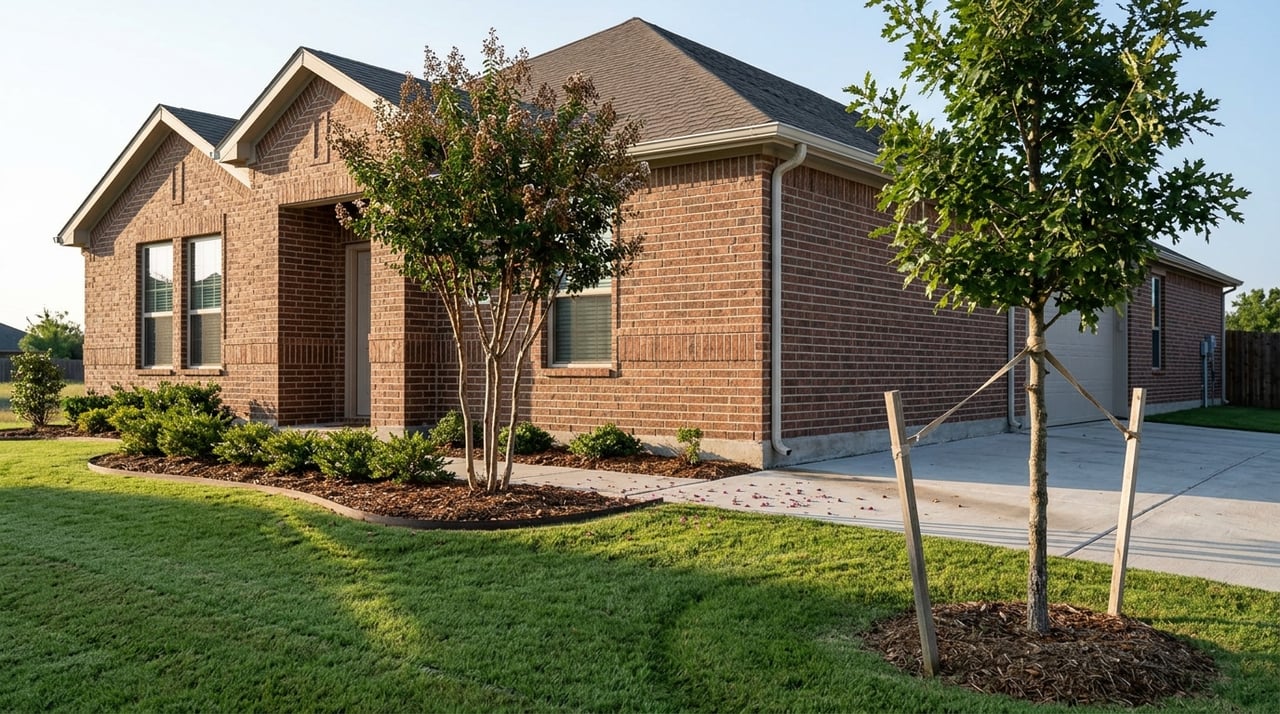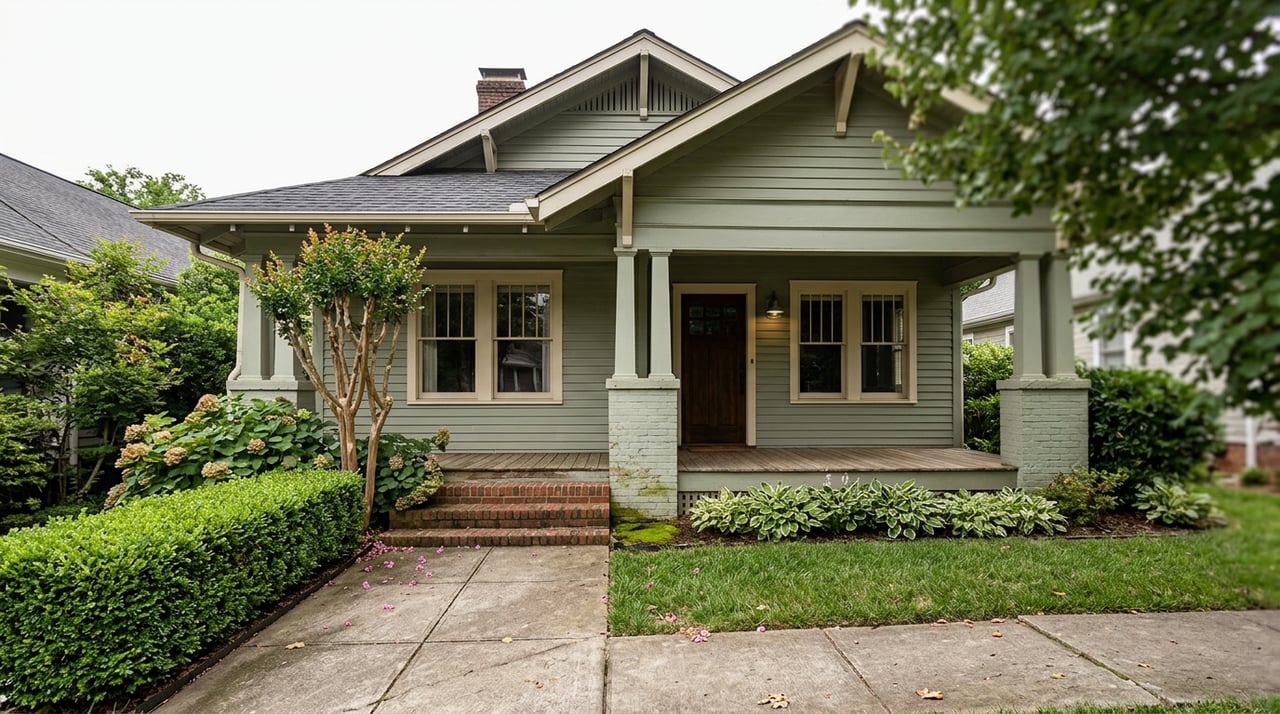
Walk a buyer through a cottage inside Historic Downtown Northport and you'll hear one of two things. Either "it's on the National Register, so I probably can't touch anything," or the opposite: "it's just an old house with a plaque, right? I can do whatever I want once it's mine." Both reactions come from the same place, and both are wrong in ways that matter once you own the house and want to replace a window.
The plaque and the permit come from two different systems. Only one of them can say no to your renovation plans, and it isn't the one most people are thinking about.
The National Register Doesn't Do What Most Listings Imply
Historic Downtown Northport's central business district went on the National Register of Historic Places on May 1, 1980. It covers 20 blocks and 134 structures, most dating to the district's rebuilding period between 1920 and 1925, after an 1850 fire and the Civil War had set the town back for decades. A handful of buildings go back to 1840, and seven wood-frame warehouses from the district's earlier commercial era still stand among the brick storefronts.
That's a real and specific designation, but it's a federal recognition, not a private property restriction. A home can carry that National Register status and still leave the owner free to repaint the trim, swap the windows, or reroof with a different material, provided no federal money, license, or permit touches the project. The framework that governs when NRHP status actually limits a private owner is Section 106 review, and Section 106 only applies when there's a federal funding or licensing connection to the work. Absent that connection, or a local ordinance layered on top, the National Register listing by itself imposes no mandatory construction restrictions.
Rehabilitation only has to meet the Secretary of the Interior's Standards if the owner wants the federal Historic Tax Credit for the work. If you're not chasing that credit, the Register listing is largely informational.
So where does the actual authority live?
The Local Commission Is the One With Teeth
Northport has its own Historic Preservation Commission, seven members appointed by the City Council to staggered terms so the whole body never turns over at once, supported by a staff liaison who coordinates the process day to day. The commission meets quarterly unless a special meeting is called, and it publishes design guidelines that spell out what it expects to see on an application.
This is the body that actually controls what happens to a house inside the locally designated district. Under the state framework Alabama municipalities use to set these commissions up, a building permit for exterior work isn't issued until the property owner has commission approval, called a Certificate of Appropriateness. That approval process, not the National Register plaque, is what can slow down or reshape a renovation.
Northport's municipal code is not a dusty document sitting untouched since the 1980s designation. The city's Code of Ordinances is codified through Ordinance No. 2270, enacted June 16, 2025, meaning the legal framework behind the historic district was still being revisited and updated as recently as last year.
In practice, the split between "needs a full commission review" and "doesn't" usually comes down to whether the work changes something visible from the street:
- Ordinary maintenance that corrects decay or damage without changing materials is typically handled without a full hearing.
- Re-roofing with the same material and repainting in a similar color are the kinds of routine items commissions in Alabama commonly allow staff to expedite rather than requiring a full quarterly vote.
- Window and door replacement, additions, and any new construction within the district are the items most likely to require a Certificate of Appropriateness before the city will issue a building permit.
- New construction inside a locally designated district needs a COA from the commission even though it doesn't need separate certification from the state historic agency.
The distinction that trips people up is that the National Register boundary and the local historic district boundary aren't guaranteed to be identical. Before you assume a house is or isn't subject to commission review, the boundary that matters is the one in Northport's own zoning and historic preservation ordinance, not the NRHP nomination map.
What This Looks Like Once You're Holding a Hammer
None of this is theoretical for the houses actually changing hands near downtown. A lot of the renovation calls coming out of that part of Northport involve homes that haven't had real work done in 20 or 30 years, and the surprises tend to be consistent: old wiring, outdated plumbing, and framing that doesn't match anything you'd find in a big-box lumber aisle. Allen's Construction, a general contractor that lists Tuscaloosa, Moundville, and Northport as its most active service areas, describes exactly this pattern in older homes near the historic downtown, work that starts as a kitchen update and ends up touching structural and mechanical systems nobody planned for at the walkthrough.
That's a separate issue from the Certificate of Appropriateness process, but the two compound each other. If your contractor uncovers a load-bearing wall mid-renovation and the fix changes the exterior footprint, you're not just solving a structural problem. You may be back in front of the commission before the city will sign off on the permit.
A contractor who pulls permits and coordinates inspections as a matter of course, rather than treating them as an afterthought, is worth more in this district than in a subdivision where nobody's watching the façade.
The District Isn't Frozen, It's Funded
It helps to see the historic district as something the city is actively investing in rather than a boundary drawn once and left alone. The Kentuck Arts and Crafts Center, at 503 Main Avenue, occupies a two-story masonry building constructed in 1920 for a mercantile business and now houses studio space for seven working artists. The Northport Heritage Museum, built as a 1907 Victorian home for the Palmer family and donated for museum use in 1998, sits at 1991 Park Street next to the Community Center within the historic district. The city has received two grants from the Alabama Historical Commission since 2022 to fund improvements there, and the museum reopened to the public for programming on April 12, 2025.
That kind of ongoing public investment tends to track with a commission that's actively reviewing applications, not one that exists on paper and never meets. If you're buying into this district, you're buying into a place where the rules get enforced, and where the city keeps spending money on the buildings that give the district its character.
Before You Write the Offer
If you're seriously considering a house inside Historic Downtown Northport, a few questions are worth settling before your offer goes in rather than after your contractor pulls a permit.
Confirm the parcel sits inside the local historic preservation overlay, not just somewhere within the general National Register boundary. Ask the seller or listing agent whether any exterior work on the house has gone through the commission before, since a paper trail of prior approvals can save you a step. Pull the published design guidelines from the city and read them against whatever renovation you're already picturing, especially anything involving windows, additions, or the roofline. And budget the commission's quarterly meeting schedule into your renovation timeline. If your project needs a full hearing rather than a staff-expedited approval, your start date may depend on when the commission meets next, not on when your contractor is free.
FAQ
Does owning a home on the National Register mean I need city approval to paint it? Not by itself. National Register status alone doesn't restrict a private owner's choices absent a federal funding connection or a local ordinance. In Northport, it's the separate Historic Preservation Commission process, not the Register listing, that would require a Certificate of Appropriateness for exterior changes within the local district.
How long does it take to get a Certificate of Appropriateness in Northport? The commission meets quarterly unless a special meeting is called, so timing depends partly on that schedule. Routine items like same-material re-roofing or same-color repainting are the kinds of work commissions in Alabama commonly let staff expedite rather than holding for a full hearing, but anything more visible, like window replacement or an addition, is more likely to need the full commission's review.
Is the local historic district the same shape as the National Register boundary? Not necessarily. The boundary that determines whether a specific address needs a Certificate of Appropriateness is the one set in Northport's own ordinance, which can differ from the National Register nomination map. Confirming which side of that line a house falls on is worth doing before you assume either freedom or restriction.
If you're weighing a home in Historic Downtown Northport against something newer across town, the renovation process is one more piece of the real comparison, not just the finishes or the square footage. Caitlin Tubbs Wilson has spent years walking West Alabama buyers through exactly this kind of local detail. If you're ready to talk through what a specific address in this district would actually mean for your plans, start your real estate journey with a conversation grounded in what the city's own process requires, not just what the listing photos suggest.