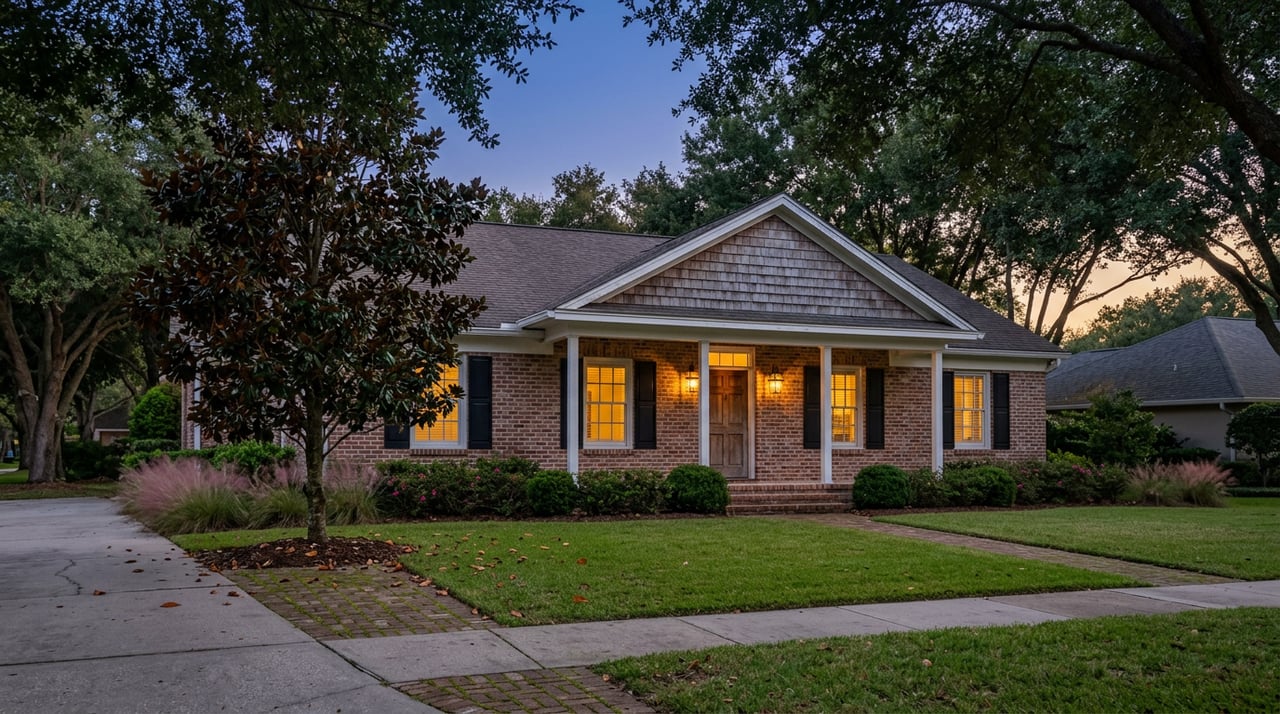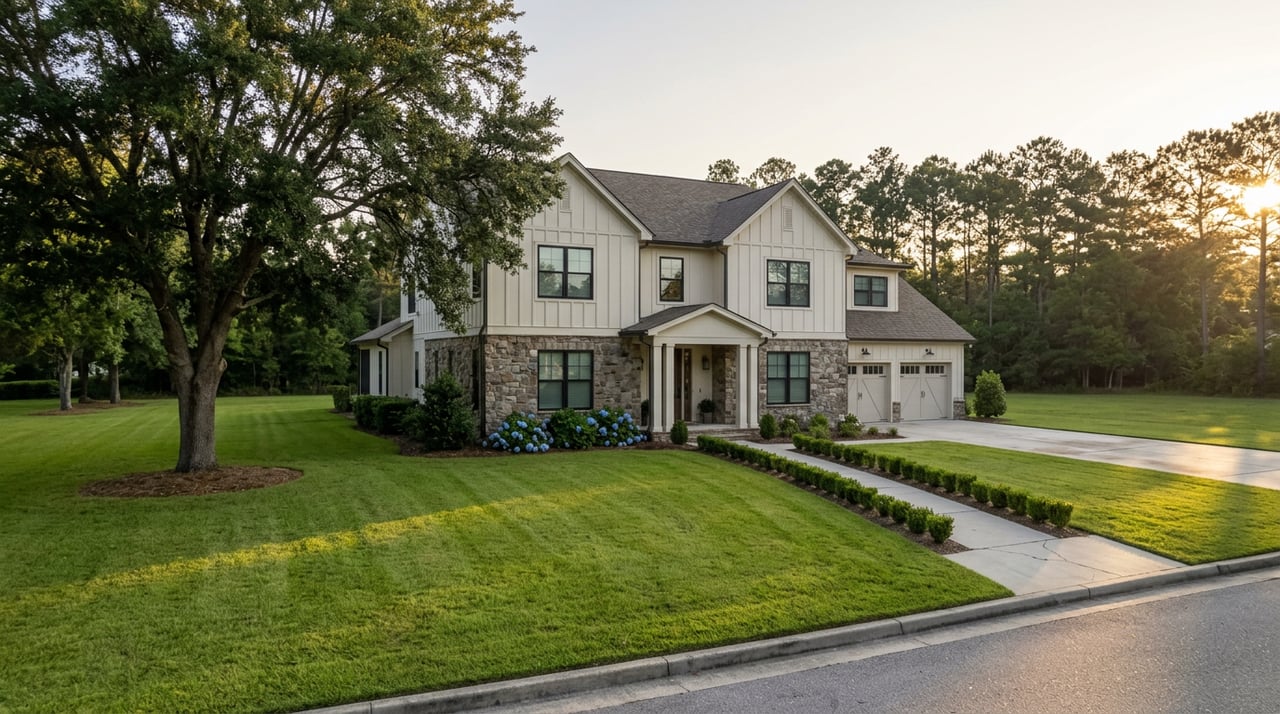
Pull up listings in Greater Alberta and the range will stop you. A three-bedroom brick ranch sits at $99,900. A few streets over, a new-construction Colonial lists at $1.29 million. Both fall inside the same neighborhood boundary that shows up on every portal search. Run a quick comp on either one using the other as a reference point and you will land nowhere useful.
That spread is not a data error and it is not a sign that the neighborhood lacks a coherent identity. It is the visible record of two things happening on top of each other: a rebuild that started fifteen years ago after the ground was leveled, and a second wave of public investment that is redrawing the map again right now. Read a Greater Alberta listing without knowing where it sits on that timeline, and you are comparing apples to a construction zone.
The Tornado Drew the First Map
On April 27, 2011, an EF4 tornado tore through Tuscaloosa. Mayor Walt Maddox has said the storm destroyed 13 percent of the city and nearly 60 percent of Alberta. More than a decade later, the tornado's scar still shows up in satellite imagery of the area.
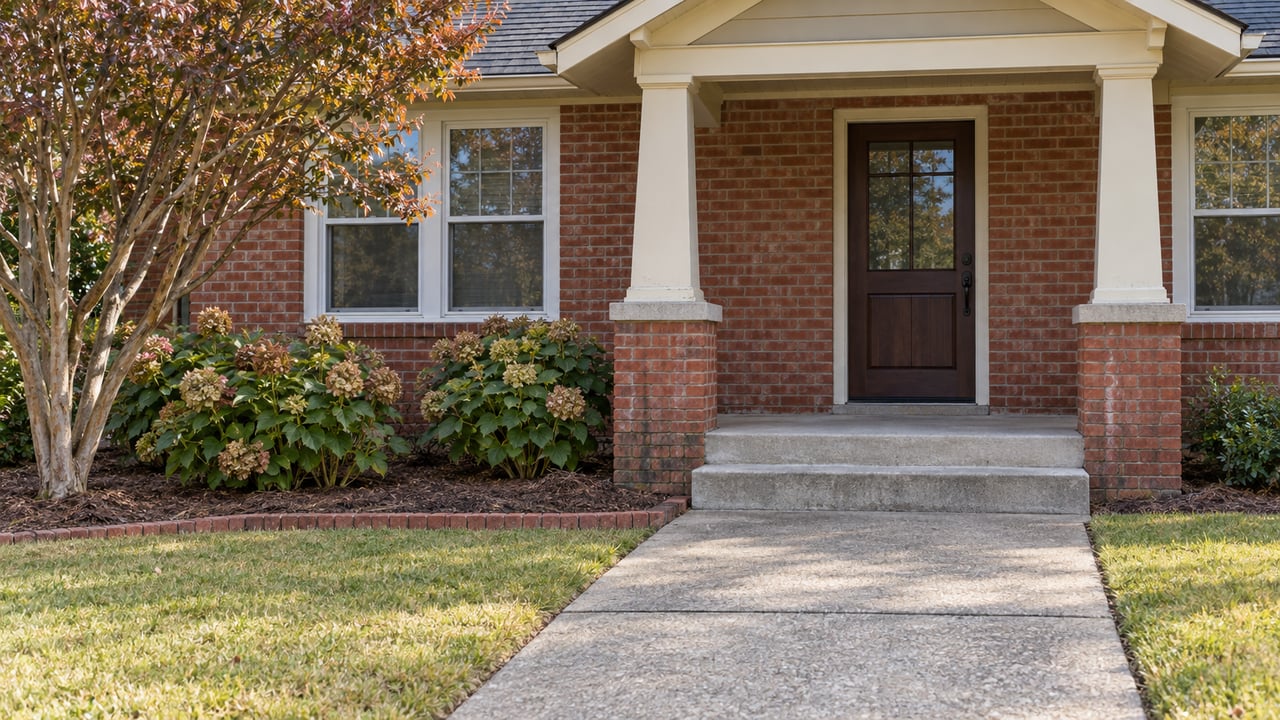
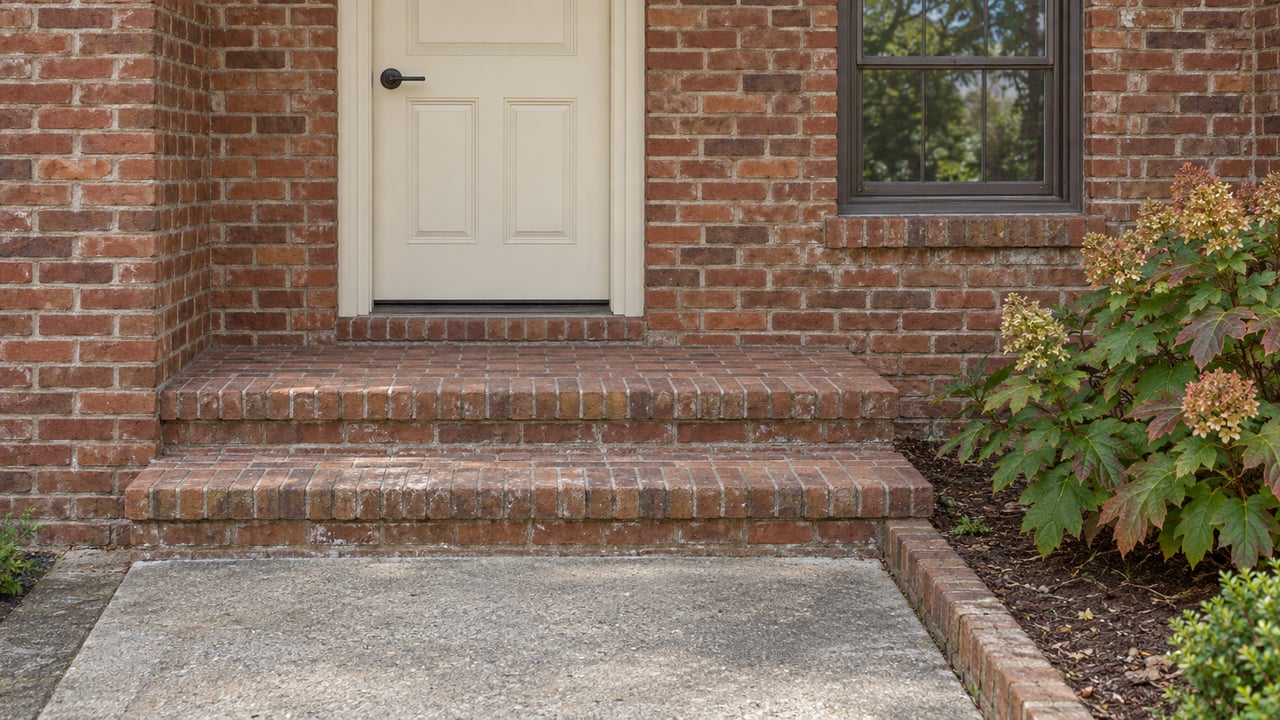
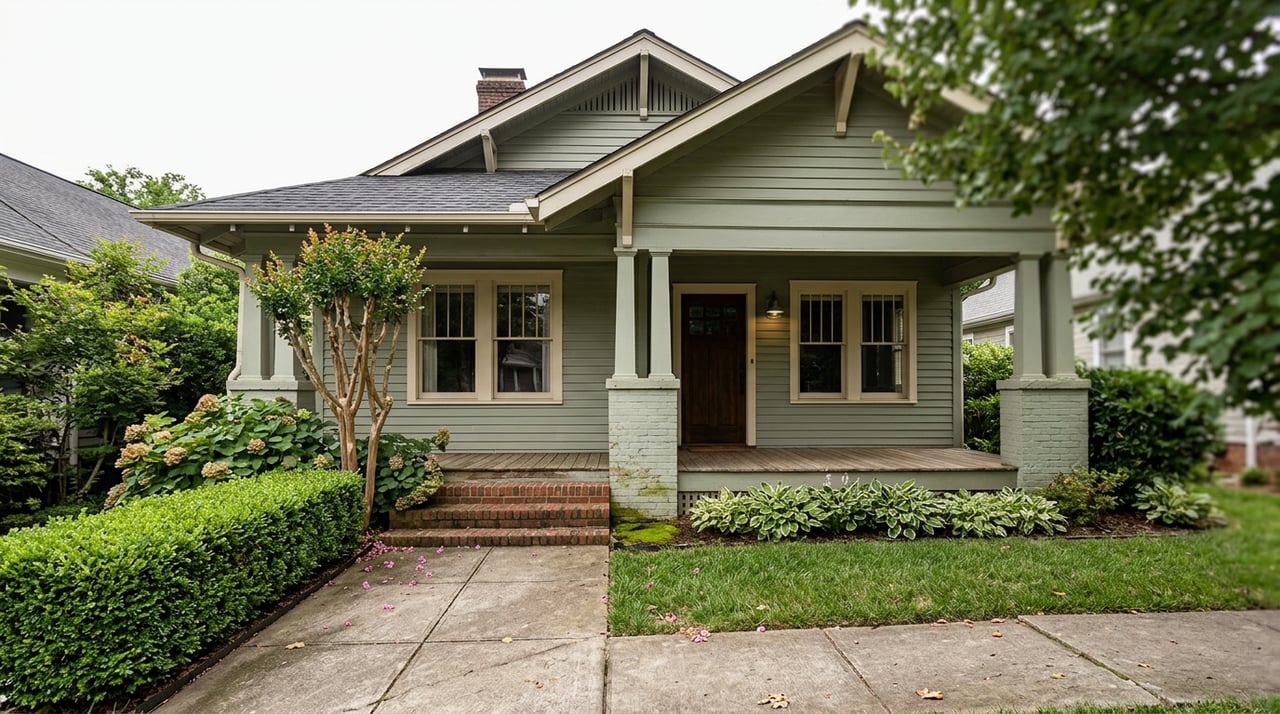
What happened next split the neighborhood in a way that persists today. Some of the emptied lots got rebuilt as modest ranch homes, close in size and finish to what stood there before. Others got redeveloped entirely, either into higher-end new construction or into student-oriented rentals pulled by proximity to the University of Alabama. Both kinds of lots now sit within a five-minute drive of each other, and both show up under the same neighborhood label when you search.
That history is why the current price bands look less like a bell curve and more like four separate clusters:
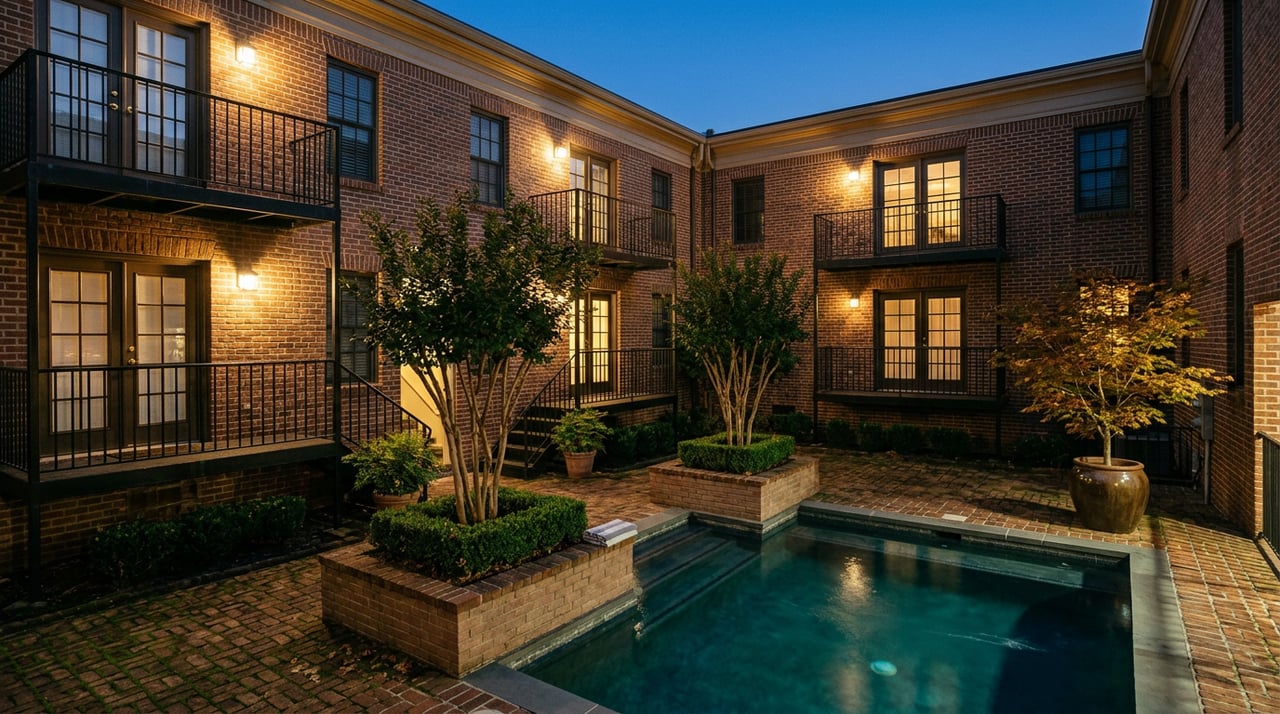
- Condos scattered through the rental-heavy pockets run from the mid-$100,000s to the mid-$200,000s
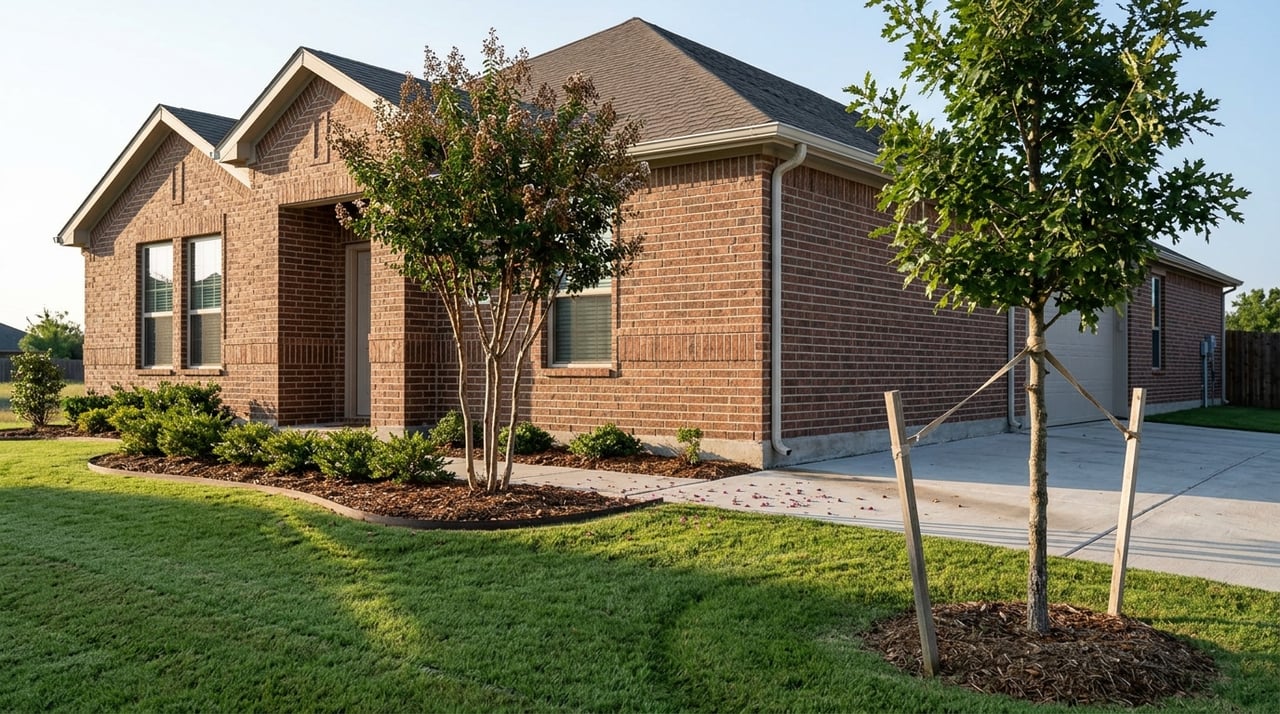
- Ranch and national-style houses on rebuilt lots trade between the mid-$100,000s and $300,000
- Split-level homes in the Arcadia subdivision run $200,000 to $400,000
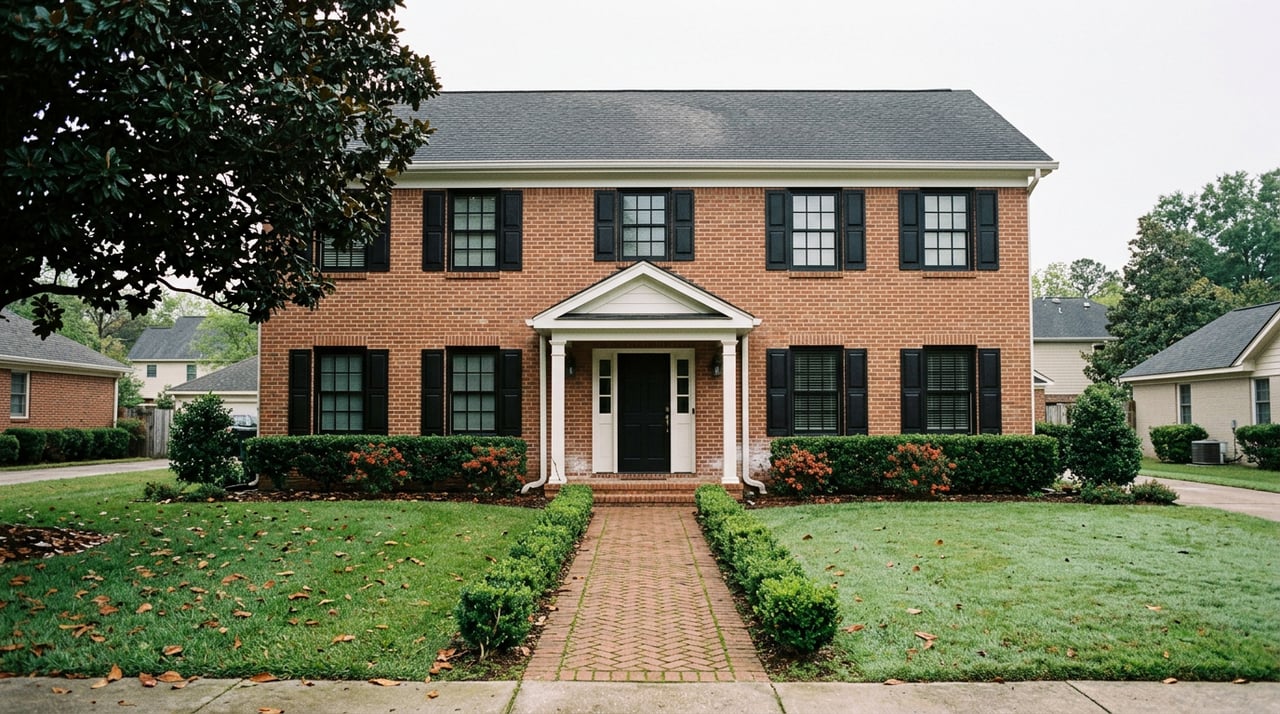
- Colonial-style homes in the newest development start near $900,000 and reach as high as $1.7 million
None of those bands is wrong. They are just describing different rebuilds.
Two Bets Being Placed Right Now
If the tornado explains the first map, two live projects are explaining the second one.
The first is the Leland Shopping Center site on University Boulevard. It opened in 1959 as what longtime residents remember as the retail center of Alberta City, and it was demolished in 2013 after tornado damage left it unusable. The lot has sat empty since. In January 2026, the Tuscaloosa City Council voted 5-2 to grant developer Stan Pate and his company, Alberta City Land LLC, a $35 million tax incentive to redevelop it. Details on what will actually go there remain under a confidentiality agreement, but Pate has been candid about what the site once meant to the community. He grew up nearby, and he has said that if you wanted a Krispy Kreme donut, you went to Alberta City. Before any construction starts, the plan is to clear the remaining concrete and return the site to grass.
The second is a mile-long stretch of University Boulevard East itself. Construction began in January 2026 on a project that will run through Spring 2027, rebuilding utilities and adding sidewalks, lighting, and landscaping between Arcadia Drive and Redmont Drive. The city's Elevate Tuscaloosa initiative lists the utility and streetscape scope at $21 million, while earlier coverage of the full roadwork budget, funded in part through the Tuscaloosa County Road Improvement Commission, put the total closer to $27 million. Either figure describes the same commitment: turning a stretch of road that residents have long walked without sidewalks into one with underground utilities and proper lighting.
That commitment carries personal weight for Council President Kip Tyner, who has represented Alberta for three decades. His brother was killed in 2024 while walking that same stretch of University Boulevard East. He has spoken about how better lighting might have changed that outcome, and the project underway now includes the lighting he wished had existed sooner.
Maddox has framed both projects as a continuation of the same promise the city made after 2011:
"we doubled down on a commitment to make certain that we never forgot Alberta"
Why the Median You See Doesn't Agree With Itself
Pull the neighborhood's median price from two different sources and you will get two different stories. Homes.com's snapshot from February 2026 put the median at $225,000, up 8 percent year over year, with active listings ranging from $99,900 to $1,290,000. Redfin's figure from August 2026, the more recent read, shows a median sale price of $194,906, down slightly year over year.
Those numbers are not actually in conflict. They are measuring different slices of a market with four distinct price clusters, at two different points in a construction timeline. A month with more closings near the new Colonial development pulls the median up. A month with more closings among the rebuilt ranch stock pulls it back down. Neither figure is describing "Greater Alberta" as a single market, because there is no single market to describe. There is a rebuilt neighborhood with a construction project running through its middle and a $35 million redevelopment bet sitting at one end of it.
Reading a Listing Like a Local
The practical question for a buyer is not "what's the median" but "where does this specific house sit relative to the two things currently reshaping value here."
Start with proximity to the University Boulevard East corridor. Homes closer to the Arcadia Drive to Redmont Drive stretch are sitting inside an active construction zone that will end in improved sidewalks, buried utilities, and better lighting by Spring 2027. That is a near-term cost in noise and detours and a medium-term gain in walkability once the work wraps.
Next, check distance to the old Leland Shopping Center footprint on University Boulevard. Until Pate's plans become public, that site is a wildcard. A house within easy walking distance of a redevelopment backed by a $35 million incentive is pricing in an outcome nobody can fully see yet.
Then ask whether the house sits on land that was rebuilt after the tornado or whether it predates the storm entirely. Newer construction on a formerly empty lot behaves differently in a resale than an older home that survived and was renovated in place, even if both show up in the same price range today.
A few fixed points help orient a search. Wright's Diner, at 3750 University Boulevard East, sits at the far end of the current construction stretch. The Fresh Market and Aldi anchor the McFarland Boulevard side of the neighborhood, closer to University Mall. The Tuscaloosa Tennis Center and the Alberta School of Performing Arts sit toward the neighborhood's center. Locating a listing against these landmarks tells you more than the neighborhood name on the listing page ever will.
None of this means Greater Alberta is a riskier place to buy than it looks. It means the range on the page is honest information if you know how to read it, and misleading if you treat it as one number describing one street.
If you are trying to figure out where a specific Greater Alberta listing actually sits on that timeline, or you want someone who has watched this neighborhood rebuild in real time to walk a property with you, Caitlin Tubbs Wilson and her team work this market every week. Start your real estate journey with a conversation about what a specific address is really pricing in, not just what the median says.