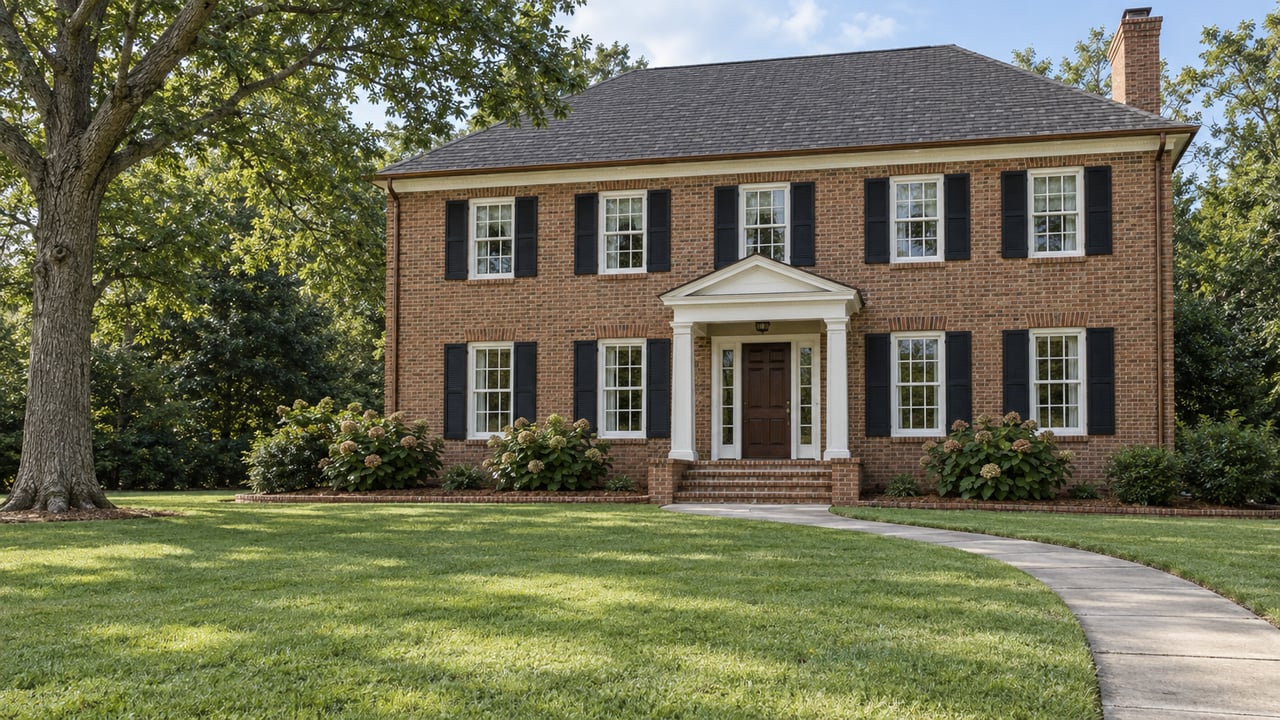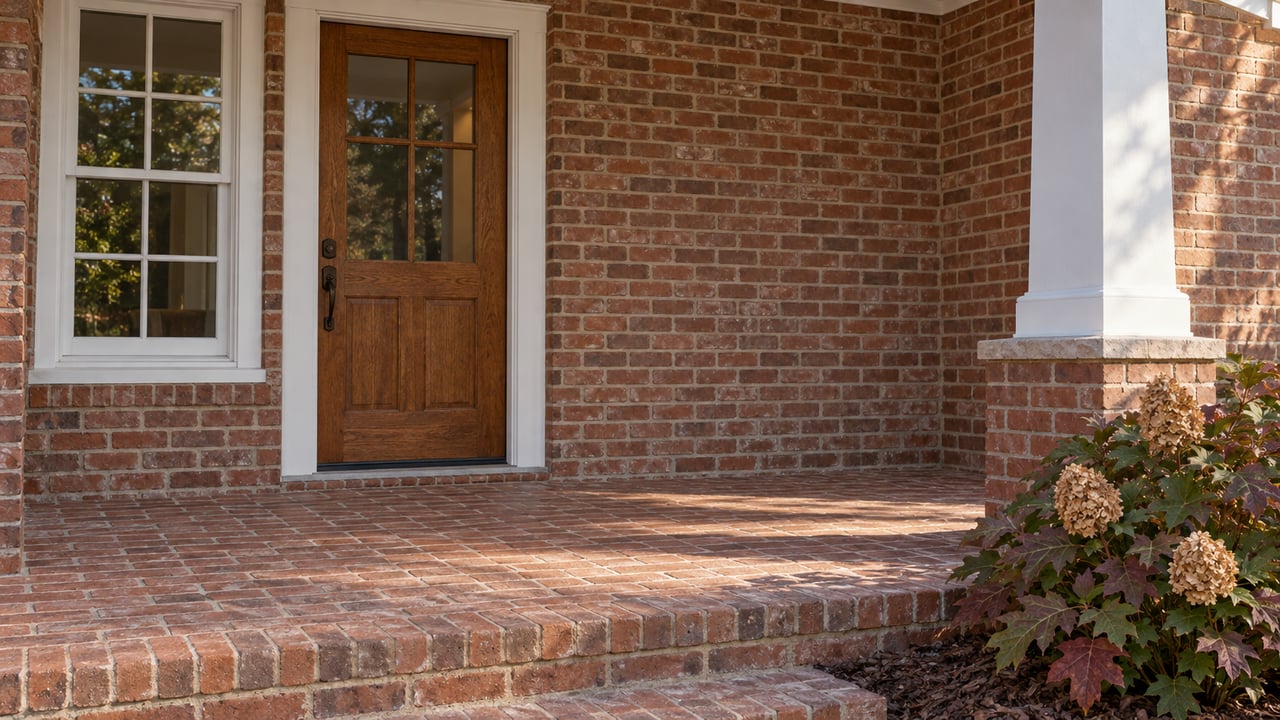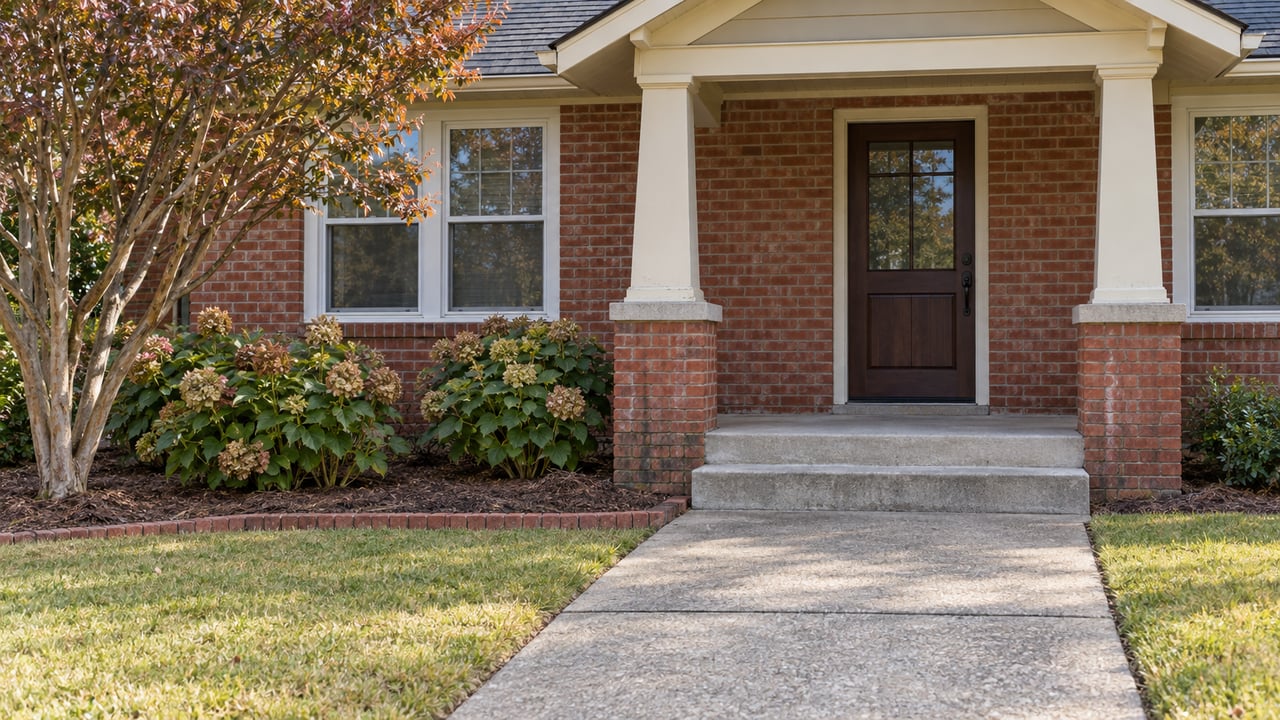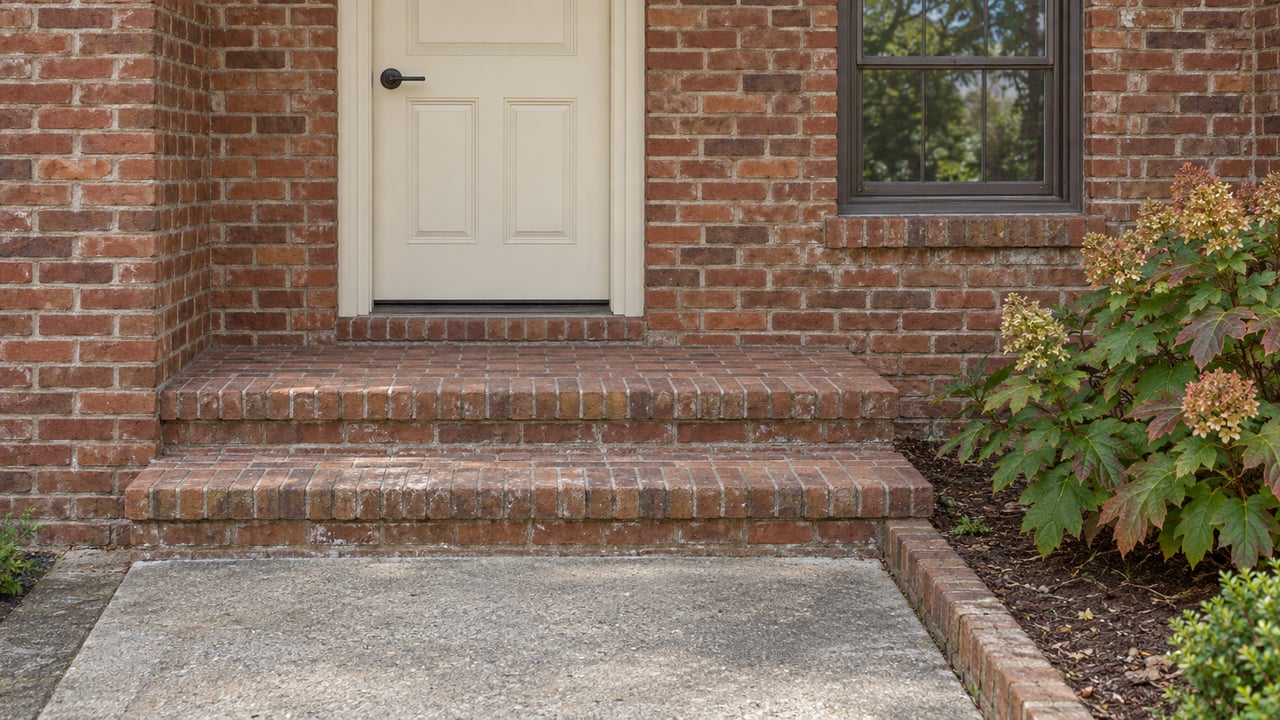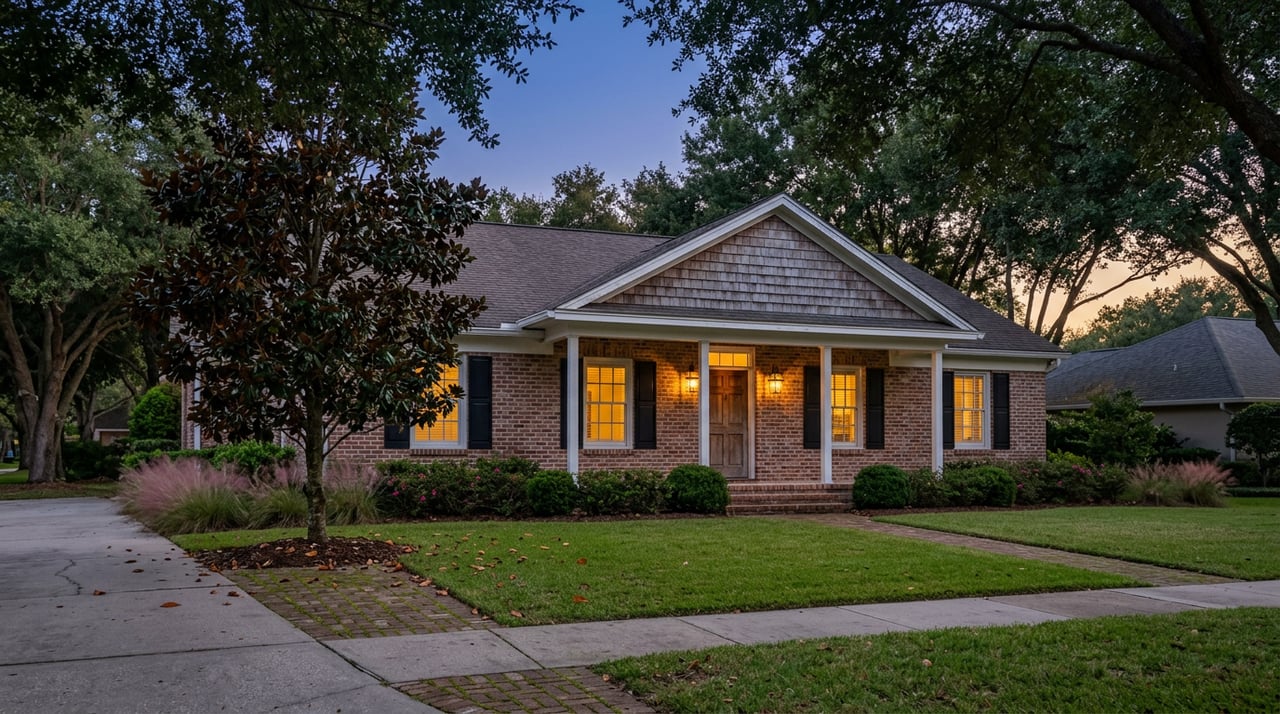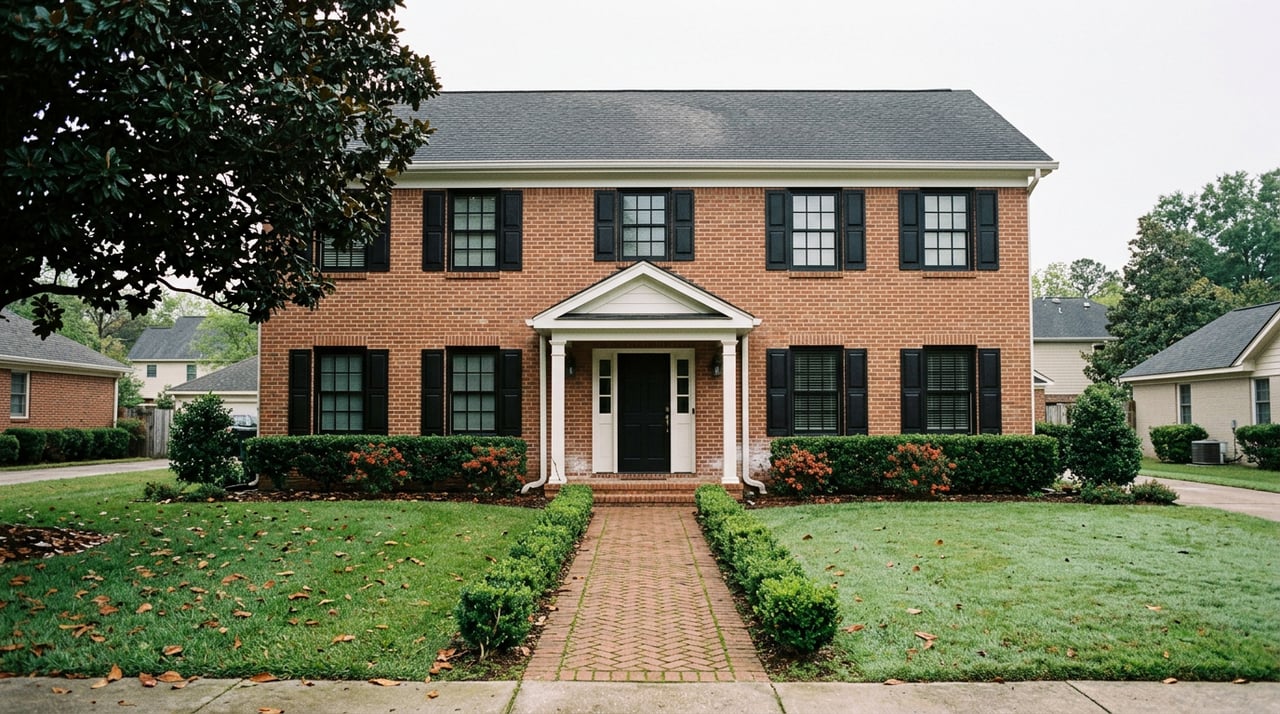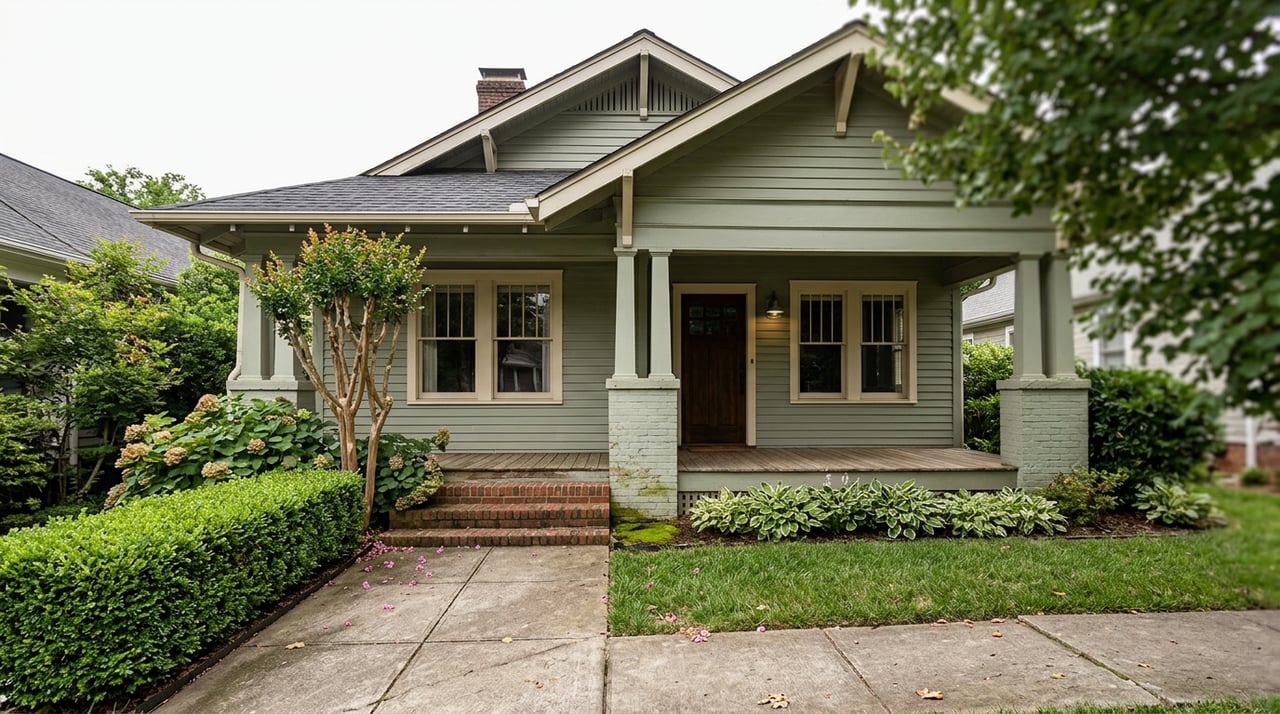
A buyer who falls for a raised cottage on Main Avenue or a two-story masonry storefront near 5th Street usually budgets a renovation the way anyone budgets a renovation: materials, labor, a contingency line for whatever the inspector finds behind the walls. Owners should also account for review of exterior changes such as paint color, porch-column profile, and siding material, and treat financial assistance as a separate consideration.
That sequence is worth understanding before you write an offer or list a home inside the district. The review requirement for exterior work applies. Financial assistance for private residences is capped, as Alabama Trust explains, and is subject to a spending test; under current law, Alabama Realtors reports the program is scheduled to end after 2027 unless the legislature acts. Owners can first understand the approval process and then determine whether they meet the credit requirements.
The permit before the permit
Northport's Historic Preservation Commission (HPC) reviews exterior work inside the district before the city will issue a standard building permit. Building permits are not issued until a property owner has commission approval, a step known as a certificate of appropriateness. That includes new construction, too. Building new structures within a locally designated historic district does not require Alabama Historical Commission certification but does require a certificate of appropriateness from the local commission. If you are eyeing a vacant lot or planning an addition, the state's tax-credit paperwork is not the first step; city approval is.
The commission meets quarterly unless a special meeting is called, and members are appointed by the Northport City Council. The current seats belong to Larry Burnette, Raegan Walker, Trudi Anders, Cheryl Rolf, Turnley Hall Smith, Frances Pool, and John Gordon, with Julie Ramm serving as staff liaison. That quarterly rhythm matters for planning: a project timed for a spring closing can sit in front of the commission for months if the application misses a meeting date.
What the design guidelines actually ask you to change
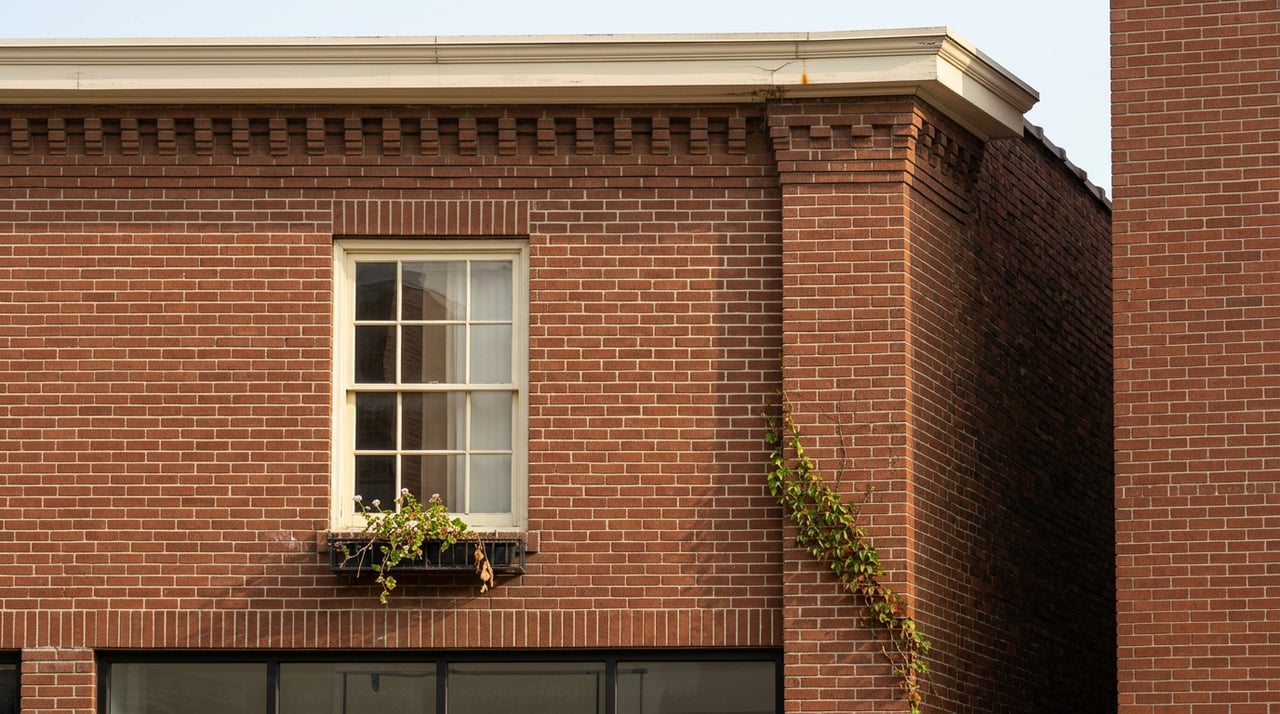
The commission's own design guidance for the district's commercial core gets specific in a way that surprises first-time owners. Renovation and alterations are expected to restore architectural details of cornices, brickwork, transoms, display windows and bulkheads, to the extent possible and practical. Painting is not a neutral cosmetic choice either. Painting previously unpainted brick is not permitted unless it is done to obscure significantly differing brick used in a prior repair, and using dissimilar brick to fill an old doorway or window opening is not by itself sufficient justification to paint an unpainted wall. Even mortar has a right and wrong answer. Repointing work should be done by a qualified contractor, since using a mortar harder than the surrounding brick can cause damage.
If the commission denies a request, the recourse is real but narrow. A denied application can be appealed to the circuit court of the county in which the commission exists. Short of court, an owner who believes the guidelines create genuine financial hardship can apply for a Certificate of Economic Hardship, and the commission must issue its decision within forty-five days of the hearing, with the application deemed granted if that deadline is missed. That process exists for real hardship, not for a preference over trim color.
What the state tax credit will and won't cover
Alabama does offer a state credit meant to soften the cost of all this. The Alabama Historic Rehabilitation Tax Credit is a 25% refundable credit for owners who substantially rehabilitate properties listed in or eligible for the National Register that are 75 years old or older. The district's structures date mainly to the late 19th and early 20th centuries, particularly the 1920 to 1925 rebuilding that followed a period of decline caused by an 1850 fire and the Civil War, which puts the typical Main Avenue or Park Street building well past a century old today.
Where the credit disappoints owner-occupants is the cap. Here is how the residential tier compares to the commercial tier that dominates most coverage of the program:
| Private residence | Commercial property | |
|---|---|---|
| Credit rate | 25% of qualified rehab expenses | 25% of qualified rehab expenses |
| Per-project cap | $50,000 | $5,000,000 |
| Annual statewide pool | Shared from a $20 million pool | Shared from a $20 million pool |
Per-project caps run $5 million for commercial historic structures and $50,000 for private residences, with an annual aggregate cap of $20 million on program-wide allocations. The credit only applies to costs that qualify under a substantial-rehabilitation test.
There is a second gap that catches owners who assume they can stack state and federal credits the way a commercial developer might. The federal Historic Rehabilitation Tax Credit requires that properties be income-producing after rehabilitation. A home you live in full time does not qualify for the federal 20 percent credit at all. For an owner-occupant, the state's 25 percent credit, capped at $50,000, is the only credit on the table.
The program's current end date
The state program itself has a shelf life. The Alabama Legislature renewed the Historic Tax Credit in 2017 and again in 2021, setting aside $200 million to be spread over ten years running from 2018 to 2027. As of this writing in August 2026, that ten-year window closes at the end of next year.
There is movement to extend it. A bill introduced February 2026 in the Alabama Senate, S.B. 313, would extend the state credit through 2032 and increase the annual statewide cap from $20 million to $25 million. Under that bill the credit would remain 25 percent of qualified expenses through 2027, then shift to 30 percent for rural rehabilitation projects and 25 percent for urban projects from 2028 through 2032. Whether that bill becomes law before the current program lapses is not yet settled. An owner planning a multi-year rehab in the district right now is planning around a program that current law still ends after 2027.
What this looks like on Main Avenue and Park Street
Walk the district and you can see what compliant rehabilitation actually produces. The Shirley-Christian Home at 512 Main Avenue was built in the 1840s by James Shirley, and a local history write-up notes it was later owned by Confederate veteran William L. Christian before it was given to the City of Northport in 1997. The Kentuck Arts and Craft Center at 503 Main Avenue occupies a two-story masonry building constructed in 1920 for a mercantile business, now serving as studios for seven artists. A few blocks over, the Heritage Museum at 1991 Park Street was originally a 1907 Victorian home, and it reopened to the public for programming on April 12, 2025 after two rounds of state grant-funded restoration. Every one of these buildings went through the same certificate process a private owner faces today.
The disclosure problem sellers don't see coming
This system can create friction at closing when someone simply doesn't know the rule applies, even without a homeowner acting in bad faith. A recent case from Tuscaloosa's own historic preservation commission, operating under the same state framework Northport's commission uses, illustrates the pattern. Citizen Portal reported that an owner replaced a rotten wood cornice with Hardie board and sought after-the-fact approval, explaining he was unaware the property was in the historic district and had made the change to stop animal intrusion. The commission found the replacement met design guidelines and approved the certificate.
That outcome was favorable, but it was not guaranteed, and the applicant still had to go through a hearing to get it. For a seller, the lesson translates directly: gather whatever documentation exists for past exterior changes before you list.
A sequence that respects both processes
- Before altering anything visible from the street, confirm with Northport's Historic Preservation Commission whether the work needs a certificate of appropriateness, even for repairs that feel routine.
- Before assuming the state tax credit will meaningfully offset the cost, run the substantial-rehabilitation math against your actual purchase price and expected rehab spend.
- If your project will take more than a year and a half, treat the 2027 sunset as the operating deadline, not the extended one still moving through the legislature.
- If you are selling, pull together whatever documentation exists for past exterior changes before you list, not after an inspection raises the question.
- If you are buying, ask the seller directly whether any exterior work has occurred since purchase and whether it was reviewed by the commission.
FAQ
Do I need a certificate of appropriateness to repaint trim the same color it already is? The commission's review authority covers exterior alterations broadly, and repainting a previously painted surface in the same color is a different question than painting brick that has never been painted, which the design guidelines specifically restrict. When in doubt, ask the commission before you buy the paint.
Can I claim both the state and federal historic tax credits on the home I live in? No. The federal credit requires the property to be income-producing after rehabilitation, so a full-time personal residence only qualifies for the state credit, capped at $50,000.
What happens if I buy a house in the district with unpermitted exterior work already done? You can seek an after-the-fact certificate of appropriateness, as happened in a recent Tuscaloosa case, but approval is not automatic and requires a hearing. It is worth surfacing before closing rather than after.
Does the tax credit disappear if my renovation isn't finished by the end of 2027? Under current law, the program's ten-year funding window ends after 2027. A bill to extend it through 2032 has been introduced but had not become law as of this writing, so a project likely to run past that date carries real timing risk.
Historic homes reward patience more than any other property type in West Alabama, and the paperwork rewards it too. If you are weighing a purchase in the Northport Historic District, or preparing one for sale, Caitlin Tubbs Wilson can walk you through what the commission will expect and what the numbers actually support before you make an offer.
This article is general information, not legal, tax or financial advice. Consult a qualified professional about your situation.